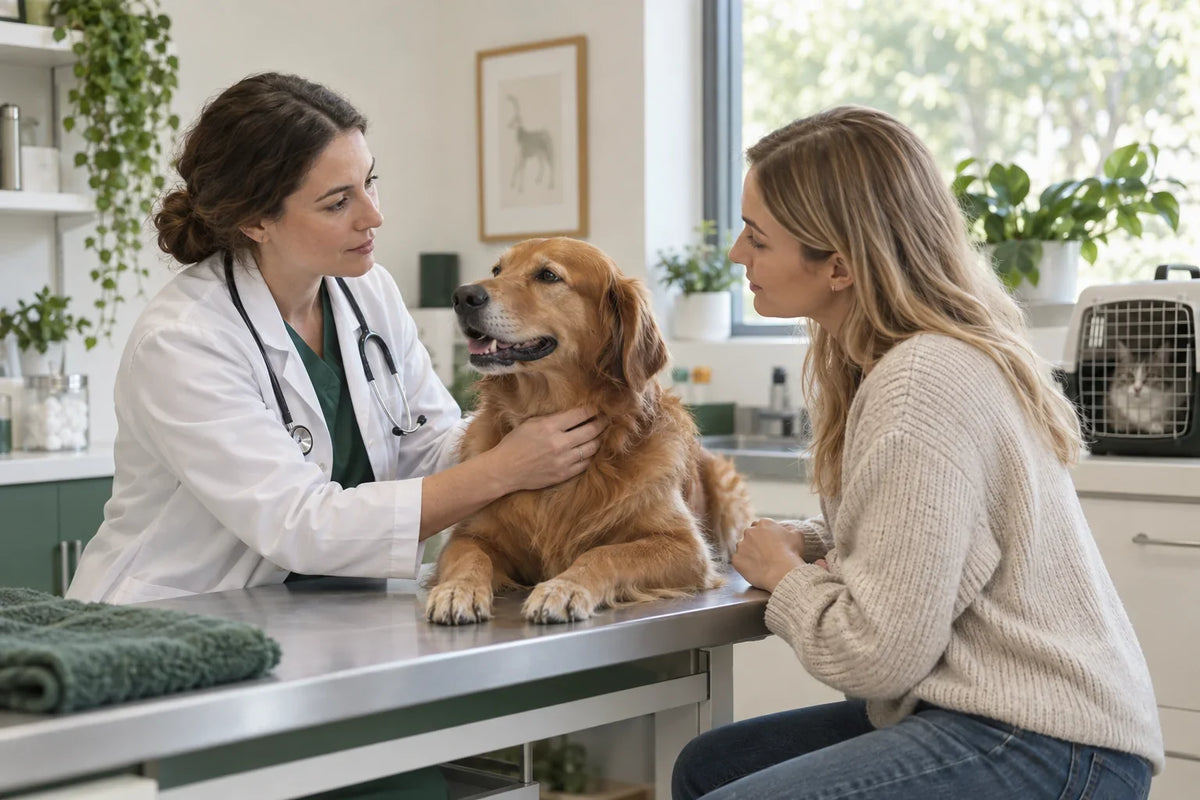
Dogs hide illness well — it is an instinct that helped their ancestors survive — so by the time a sign is obvious, the problem may have been developing for a while. You do not need to be a veterinarian to notice change. If you spot any of the ten signs below, a phone call to your vet is always reasonable, and a visit is usually the safer choice. This list is a guide to what deserves attention, not a diagnosis.
Go to an emergency vet immediately if your dog collapses, has a seizure, cannot breathe, has a bloated and hard abdomen, is trying to vomit without bringing anything up, or has eaten something toxic. Do not wait to “see if it passes.”
1. Changes in appetite or thirst
Losing interest in food for more than a day, or suddenly eating far more or drinking far more than usual, can signal problems ranging from dental pain to metabolic conditions. Drinking and urinating much more than normal is one of the most underrated early signs — mention it to your vet even if your dog otherwise seems fine.
2. Vomiting or diarrhea that does not settle
An isolated episode after eating something odd is common and often passes. Call your vet if vomiting or diarrhea continues for more than a day, happens repeatedly within a few hours, contains blood, or comes with lethargy. Puppies, senior dogs, and small breeds can dehydrate quickly and should be seen sooner rather than later.
3. Lethargy or weakness
A dog that is unusually tired, slow to get up, hiding, or uninterested in things it normally loves deserves attention — especially when it lasts beyond a day or comes with other signs like fever, poor appetite, or labored breathing.
4. Coughing, gagging, or trouble breathing
Frequent coughing, gagging as if something is stuck, open-mouth breathing at rest, or blue-tinged gums are all reasons to call a vet promptly — breathing difficulty can escalate quickly and is treated as urgent.
5. Limping or trouble standing
Not every limp is an emergency, but any dog that refuses to put weight on a leg, cannot get up, or is still limping after a day or two of rest should be examined. Sudden inability to use the back legs is urgent.
6. Signs of pain
Dogs in pain may pant, whine, pace, shake, hide, guard a body part, or become grumpy when touched. A normally friendly dog that snaps when you lift it or touch its ear is telling you something hurts — that is a vet visit, not a training problem.
7. New lumps or swelling
Many lumps on dogs are harmless, but you cannot tell by feel. Have any new lump checked, especially if it is growing, changing shape, or feels attached to deeper tissue. Early evaluation matters far more than waiting to see what happens.
8. Eye, ear, or skin problems
Squinting, redness, discharge, or cloudiness in an eye can worsen quickly and should be seen promptly. Head shaking, ear scratching, redness, or odor often means an ear infection. Repeated scratching, hair loss, or red skin may signal allergies, parasites, or infection. None of these need a long wait-and-see period.
9. Changes in urination or bathroom habits
Straining to urinate, accidents in a house-trained dog, blood in urine, or a sudden increase in frequency all deserve a vet visit. Straining without producing urine is urgent.
10. Sudden behavior changes
Confusion, pacing in circles, staring at walls, sudden aggression, or disorientation can be signs of neurological or medical problems rather than “bad behavior.” When behavior changes overnight in an adult or senior dog, treat it as a medical question first.
What to do before you call
- Note when the sign started and how often it happens.
- Take a short video — dogs often look fine at the clinic.
- Write down anything your dog ate that might be relevant.
- Call your vet with these notes; they can tell you whether to come in or what to watch for.
- Do not give your dog human medication while you wait — many are toxic to dogs.
Bottom line
When in doubt, call. Vets are used to owners asking whether something is serious, and a quick call costs nothing. Early treatment is almost always easier, cheaper, and kinder to your dog than waiting until a problem becomes obvious.
This article is general information and not a substitute for veterinary examination or advice. If you are concerned about your dog, contact your veterinarian.