Flying with a dog is possible — and increasingly common — but it takes planning. Airline rules change often and differ between carriers, routes, and countries, so the most important step is to confirm the current requirements for your exact flight before you book or pack. This guide covers the parts you can prepare now: paperwork, the carrier, the flight itself, and the vet visit that usually makes everything legal.
Step 1: Check the current airline rules
Do not rely on a blog or a friend’s experience. Visit the airline’s own pet page and confirm:
- Whether your dog can fly in the cabin, as checked baggage, or in cargo on your route — many airlines limit cabin pets by size, and some routes only allow cargo.
- The number of pets allowed per flight and the booking process — cabin pet spaces are limited and book out early.
- Carrier size limits and whether the carrier counts as a personal item.
- Fees, documents, and any breed or age restrictions.
If you are flying internationally, check the destination country’s entry rules as well — they are separate from the airline’s rules and often include specific vaccination and health certificate timing.
Step 2: Visit your vet in time
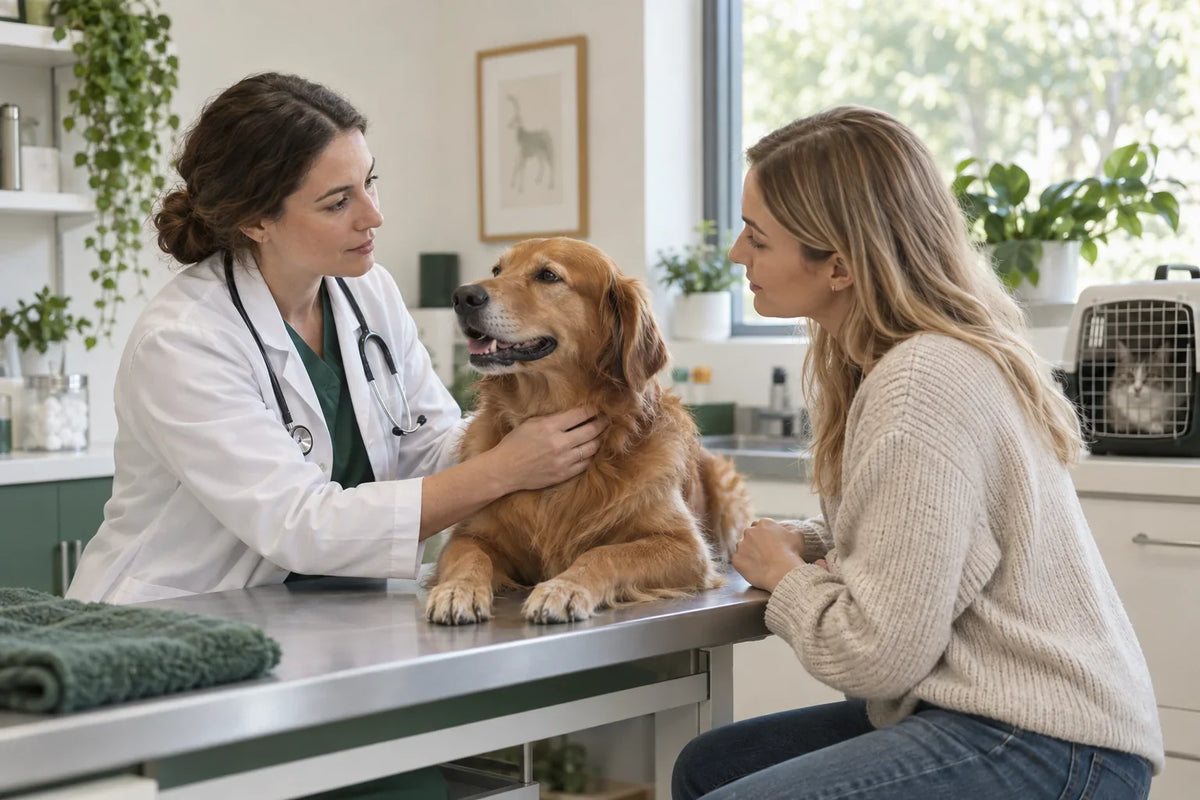
Most airlines require a health certificate issued within a set window before travel (commonly 10 days, but it varies), and international travel usually needs more — such as rabies vaccination records, microchip documentation, and sometimes blood tests or government endorsements. Book the vet visit early and ask for copies of everything. For international trips, start three to four months ahead if you can; some requirements take weeks to complete.
Step 3: Choose and prepare the carrier
The carrier must be large enough for your dog to stand, turn around, and lie down comfortably — and it must meet the airline’s dimensions. For cabin travel, a soft-sided carrier that fits under the seat is standard. Prepare it before the trip:
- Let your dog sleep and eat in the carrier at home for at least a week or two.
- Add a familiar blanket or item with your scent.
- Attach an ID tag with your contact details to the carrier, and write your name and destination phone number on it as well.
- Do not sedate your dog unless your vet explicitly recommends it — sedation at altitude can be dangerous.
Step 4: Plan the travel day
- Feed a light meal a few hours before departure, and give your dog a good walk before leaving for the airport.
- Take your dog out for a final potty break before check-in — many airports have pet relief areas, so find out where yours is.
- Pack a small travel kit in your carry-on: water, a collapsible bowl, a few days of food, medication, waste bags, and copies of health documents.
- Line the carrier with an absorbent pad in case of accidents.
Step 5: Think carefully about cargo
If your dog must fly in cargo, research the airline’s pet program, the temperature restrictions, and any seasonal embargoes. Cargo holds are pressurized and temperature-controlled on most major airlines, but delays and ground handling are outside your control. Fly direct when possible, choose flights at mild times of day, and confirm how your dog is handed over at both ends. If you are not comfortable with the arrangement, consider alternatives such as driving, a pet transport service you have researched, or leaving your dog with a trusted sitter.
After you land
Take your dog to a quiet area for water and a walk as soon as you can. Watch for signs of stress or dehydration, and give it time to adjust to the new place. If anything seems off — vomiting, lethargy, refusal to eat — contact a local vet and keep your health records handy.
This article is general guidance; airline and government rules change frequently. Always confirm current requirements with your airline and destination authorities before booking.